
Inspecting a 100-Year-Old House: What Diligence Catches in Old Midwest Stock
Most Midwest rental stock predates 1950. What an honest inspection catches in century-old houses — wiring, laterals, foundations — and what it costs.
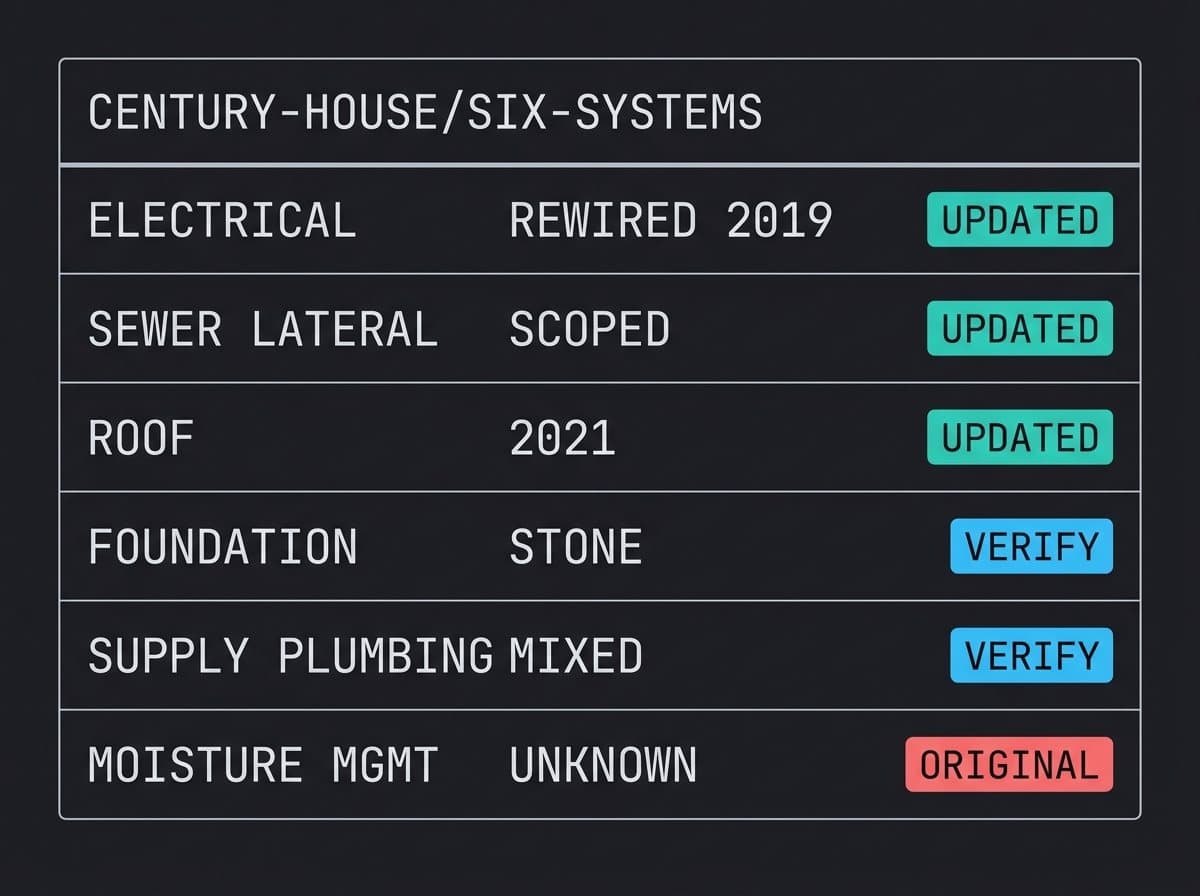
A 100-year-old house is not a risk because it's old — it's a risk because six specific systems may still be original, and each carries a five-figure price tag. Electrical, sewer lateral, foundation, roof structure, supply plumbing, and moisture management: date those six, and you've done most of the diligence that matters.
Why this is THE Midwest question
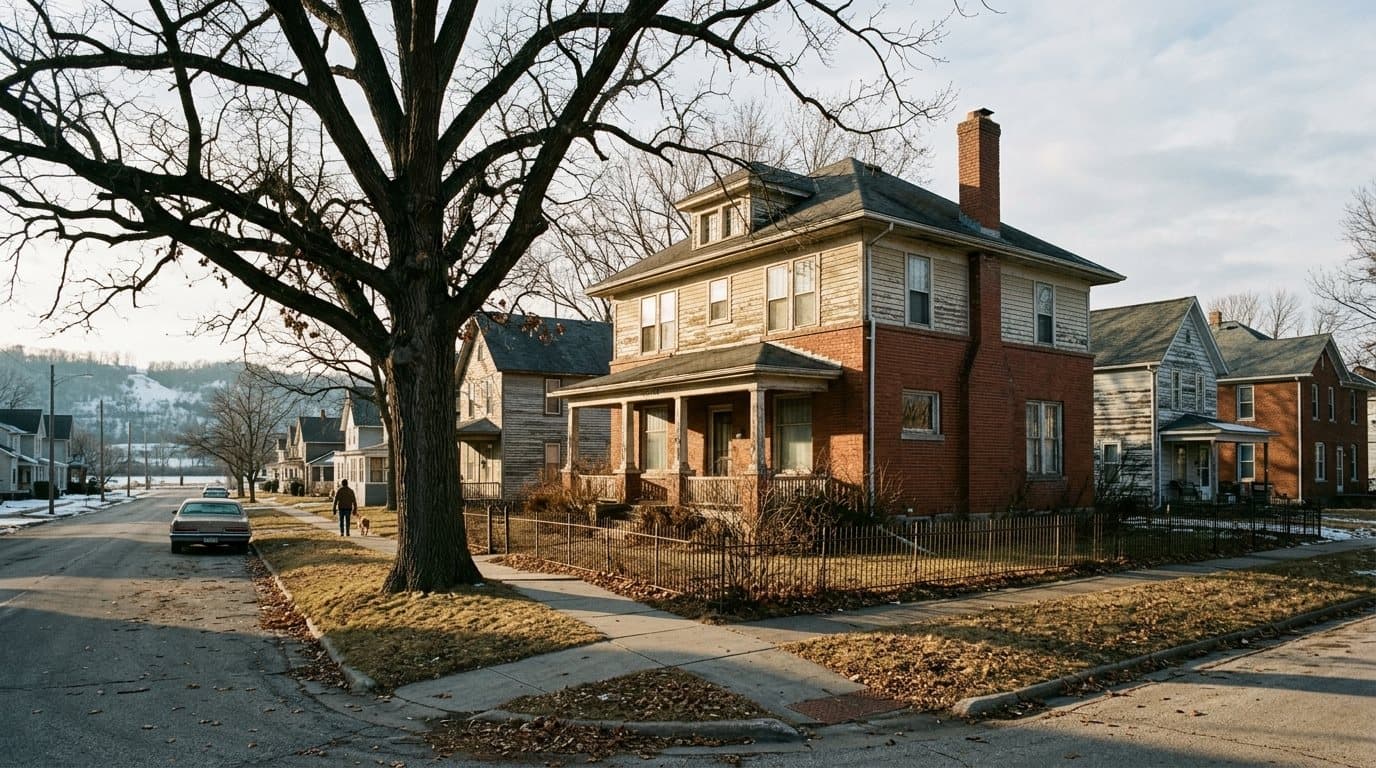
The housing stock that makes sub-$100K rentals possible was largely built between 1890 and 1940 — worker cottages, foursquares, small duplexes put up when river towns boomed. Buying in these markets means buying century homes. The good news: a house that stood for 100 years has proven its bones. Settlement happened decades ago; what's left is a maintenance ledger, and ledgers can be read.
The expensive mistake is treating a century house like a 1995 house with charm. Different failure modes, different inspection.
The six systems that decide the deal
Representative Midwest contractor ranges — the four loudest line items
1. Electrical: find the original wire
Knob-and-tube and cloth-wrapped wiring still run live in attics across the Midwest. Insurers refuse it or surcharge it, and modern loads overwhelm it. Open the panel (amperage, breaker brands with known defect histories) and look in the attic and basement where original runs hide. Partial rewires are common — assume the worst until traced.
2. The sewer lateral: scope it, every time
The pipe from house to main is the era's buried claymine: cracked joints, root intrusion, bellies, collapse. A camera scope costs a few hundred dollars and reads the next decade. No old-house purchase without one — it's a fixed item in any honest rehab budget.
3. Foundation: distinguish history from motion
Stone and early-concrete foundations almost always show something. The question is whether movement is historic (old cracks, painted over, stable) or active (fresh displacement, doors out of square, step cracks with clean faces). Tuckpointing is maintenance; an actively bowing wall is a different purchase.
4. Roof structure, not just shingles
Shingle age is visible; structure is the money. Sight down the ridge for sag, check rafters for past leak staining, and price tear-offs honestly — cut-up Victorian rooflines cost more per square than ranch rectangles.
5. Supply plumbing: what's the metal?
Galvanized supply lines from the era close down like arteries — pressure tells you, and so does a look at exposed runs. Lead service lines still exist in old river towns and carry their own replacement math. Copper or PEX upgrades, dated, are a green flag worth paying for.
6. Moisture: the basement tells the truth
Century basements seep — the question is managed or unmanaged. Efflorescence and a dehumidifier is Tuesday; standing-water staining, rotted sills, or a sump that never rests is a system problem. While you're down there, look at the joists for past "repairs" done with optimism and a 2x4.
How Pando handles this
Every property Pando acquires gets this inspection before we own it — it's embedded in the buy-box evaluation, and it's why we pass on most of what we see. Renovation scopes are written against the six systems first and cosmetics second, so what transfers to an investor has its dated, documented ledger attached: what the scope covered, what was verified — scoped laterals, traced wiring sit behind the comp value too. A century house with its systems done is the most durable rental in these markets. One with its systems deferred is somebody else's exit. Our job is knowing which is which before the deal ever reaches you.
FAQ
Is a 100-year-old house a bad investment? No — it's most of the inventory in America's best rent-to-price markets. The risk lives in six systems, all inspectable.
What do I check first? Electrical and the sewer lateral — the two most common five-figure surprises, and the two most often hidden.
What's knob-and-tube? Original ungrounded wiring. Insurers hate it, modern loads overwhelm it; budget a rewire if any runs live.
Is a sewer scope really necessary? Yes. A few hundred dollars against a $5,000–$15,000 buried unknown is the best-priced information in real estate.
Next step
See how Pando's renovation standard handles century stock — or request access and read a live deal's system ledger yourself.
See the discipline in practice.
Vetted investors get first look at every deal Pando announces — evaluation numbers, not marketing numbers.
The console has read this article. Ask for the short version, the main points, or anything it raised.


